Range vs. Cooktop: Which Is Right for Your Kitchen?

Choosing between a range and a separate cooktop with wall ovens is one of the biggest decisions you’ll make when designing a kitchen. While both can create a beautiful, high-performing space, the right choice depends on how you cook, how you entertain and how you want your kitchen to function. From layout and ergonomics to storage, aesthetics and resale value, we’ll explore the factors that matter most so you can confidently choose the option that’s right for your home.

KITCHEN DESIGN QUESTIONS

Ranges: Simplicity and Value

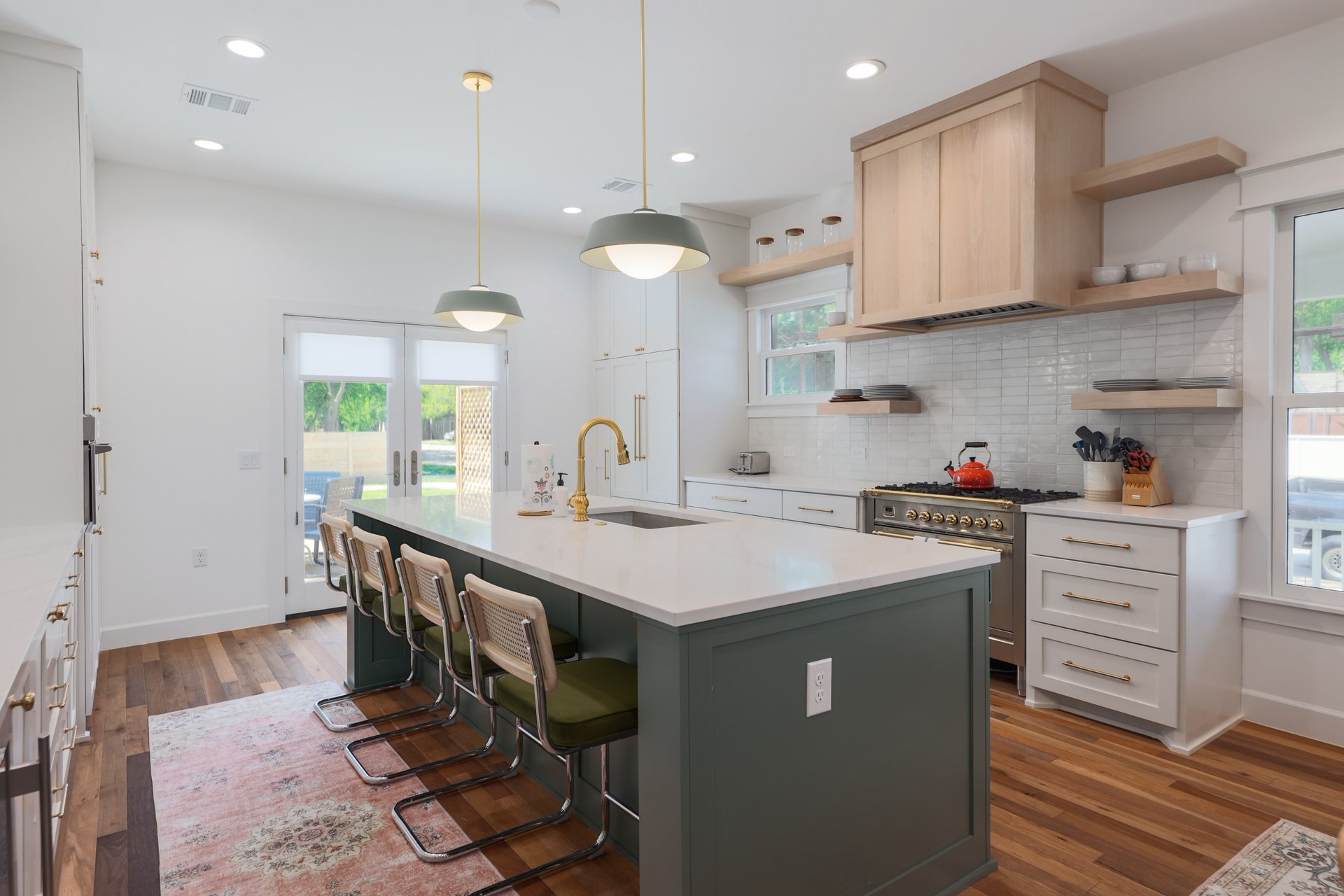
A range combines the cooktop and oven into a single appliance, making it the most common choice for kitchens of every size. Installation is straightforward, it typically costs less than separate appliances and it requires less cabinetry. For many families, a range offers everything they need without sacrificing performance.

A professional-style range naturally becomes the focal point of the room. Its larger size and statement vent hood anchor the kitchen and draw your eye immediately. That’s one reason ranges are so popular in traditional and transitional kitchens.

Cooktops and Wall Ovens: Designed Around the Cook

Separating the cooktop from the ovens allows each appliance to be placed where it works best. Wall ovens can be installed at a comfortable height, reducing bending while making it easier to move heavy dishes in and out. The cooktop can then be centered on an island or perimeter cabinet, creating a more flexible workspace.

If you roast and bake frequently, double wall ovens let you cook multiple dishes at different temperatures while keeping everything at a comfortable height. If most of your meals happen on the cooktop, a professional range may give you all the performance you need in a simpler package.

A cooktop paired with wall ovens creates a much quieter design. Without a large appliance on the perimeter, cabinetry and countertops become the stars. It’s a look that works particularly well in contemporary homes where clean lines are the priority.

Think Beyond the Appliances

The choice between a range and separate appliances changes more than just how your kitchen looks. It affects cabinet storage, countertop space, ventilation and traffic flow.

A range concentrates all cooking functions in one location, while separate appliances distribute activity throughout the kitchen. If one person is baking while another prepares dinner, having the ovens away from the cooktop can make the space feel less crowded.

The best choice isn’t determined by the size of your home—it’s determined by how you use your kitchen.

Storage Tradeoffs

Every appliance decision affects the cabinetry around it.

A range occupies the space where drawers would normally go, often reducing storage for pots, pans and utensils. A cooktop, on the other hand, can usually be installed over deep drawers, making cookware easier to organize and access. Wall ovens do require their own cabinet, but they often free up storage opportunities elsewhere in the kitchen.

When designing a custom kitchen, we look at the entire cabinet layout—not just the appliances.

Resale Value

Homeowners often assume that a cooktop and wall ovens will increase the value of their home. In reality, the answer depends more on the expectations of your market than the appliances themselves.

In luxury homes, buyers often expect premium appliances and a separate cooktop with wall ovens can reinforce that high-end feel. In other price ranges, a well-appointed range is just as desirable and may be preferred for its simplicity.

The good news is that both options can support resale when they’re thoughtfully integrated into the overall kitchen design. Buyers are far more likely to notice a functional layout, quality cabinetry and cohesive finishes than whether the oven is below the cooktop or installed in the wall.

We encourage clients to make this decision based on how they live today. The kitchen you’ll enjoy every day is almost always the one future buyers will appreciate as well.

Which Is Better?

We rarely begin a kitchen design by asking whether someone wants a range or a cooktop.

Instead, we ask questions like:

  • Do you bake often?
  • Do multiple people cook together?
  • Is this kitchen designed primarily for entertaining or everyday family meals?
  • Where do you naturally prepare food?

Once we understand how you’ll use the kitchen, the right appliance configuration usually becomes obvious.

The best kitchens aren’t designed around appliances—they’re designed around the people using them.

Don't Forget Ventilation

The best cooking appliance in the world won’t perform well without proper ventilation.

Whether you choose a range or a cooktop, the hood should be sized to capture smoke, grease and cooking odors effectively. We often design the ventilation system alongside the cabinetry from the very beginning, ensuring it performs well while remaining visually integrated into the kitchen.

Good kitchen design isn’t just about what you see—it’s about how the space functions every day.

Drop us a line

Let’s explore your options

They Loved the Neighborhood. So They Reinvented the House.

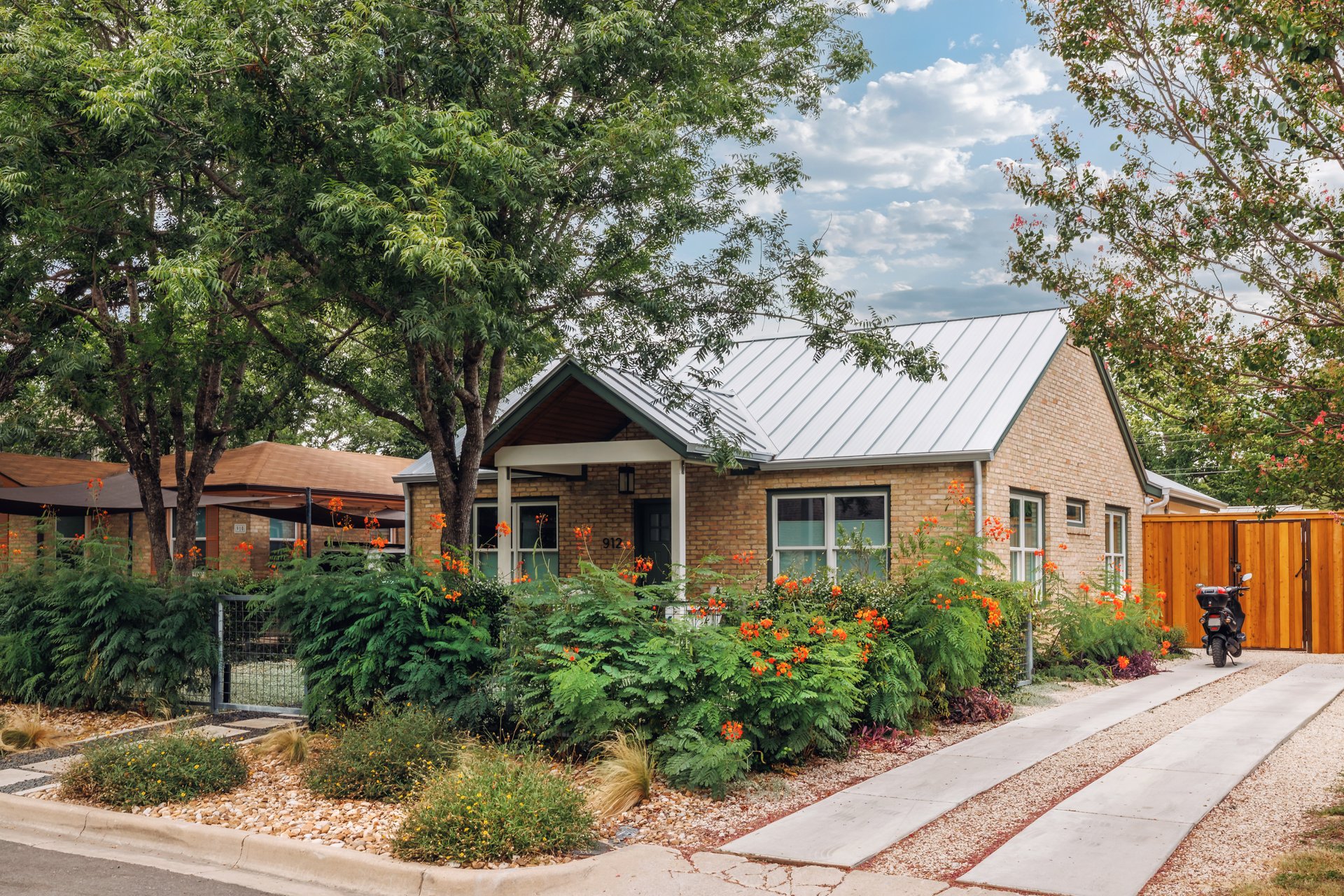
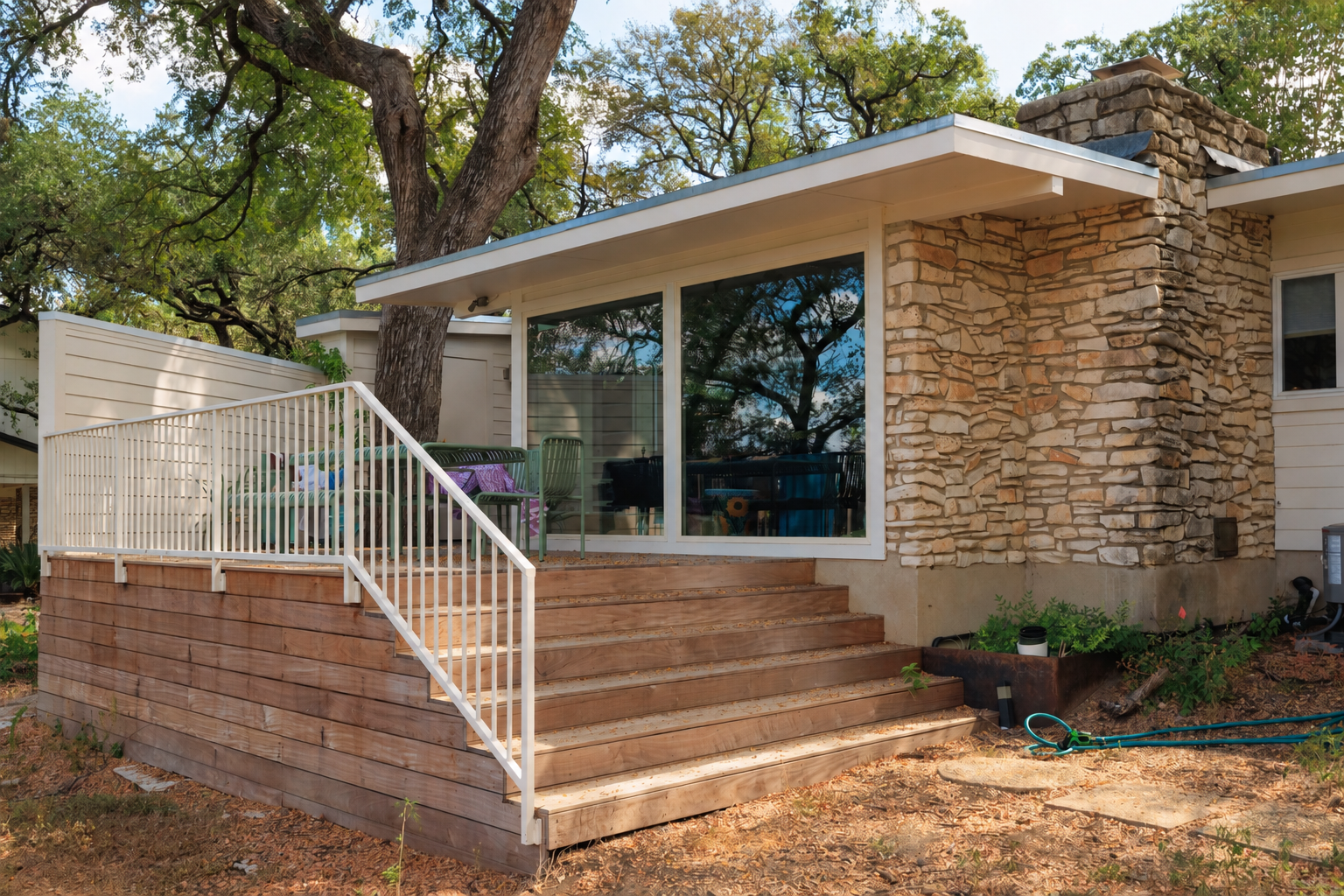
When you love your neighborhood but your home no longer fits your lifestyle, moving isn’t the only option. This 1937 Hancock home underwent a complete transformation, combining restoration with a thoughtfully designed addition that brought modern comfort, functionality and entertaining space to one of Austin’s most beloved historic neighborhoods. See how a dated rent house became the perfect forever home while preserving the character that made it worth saving.

Read More »
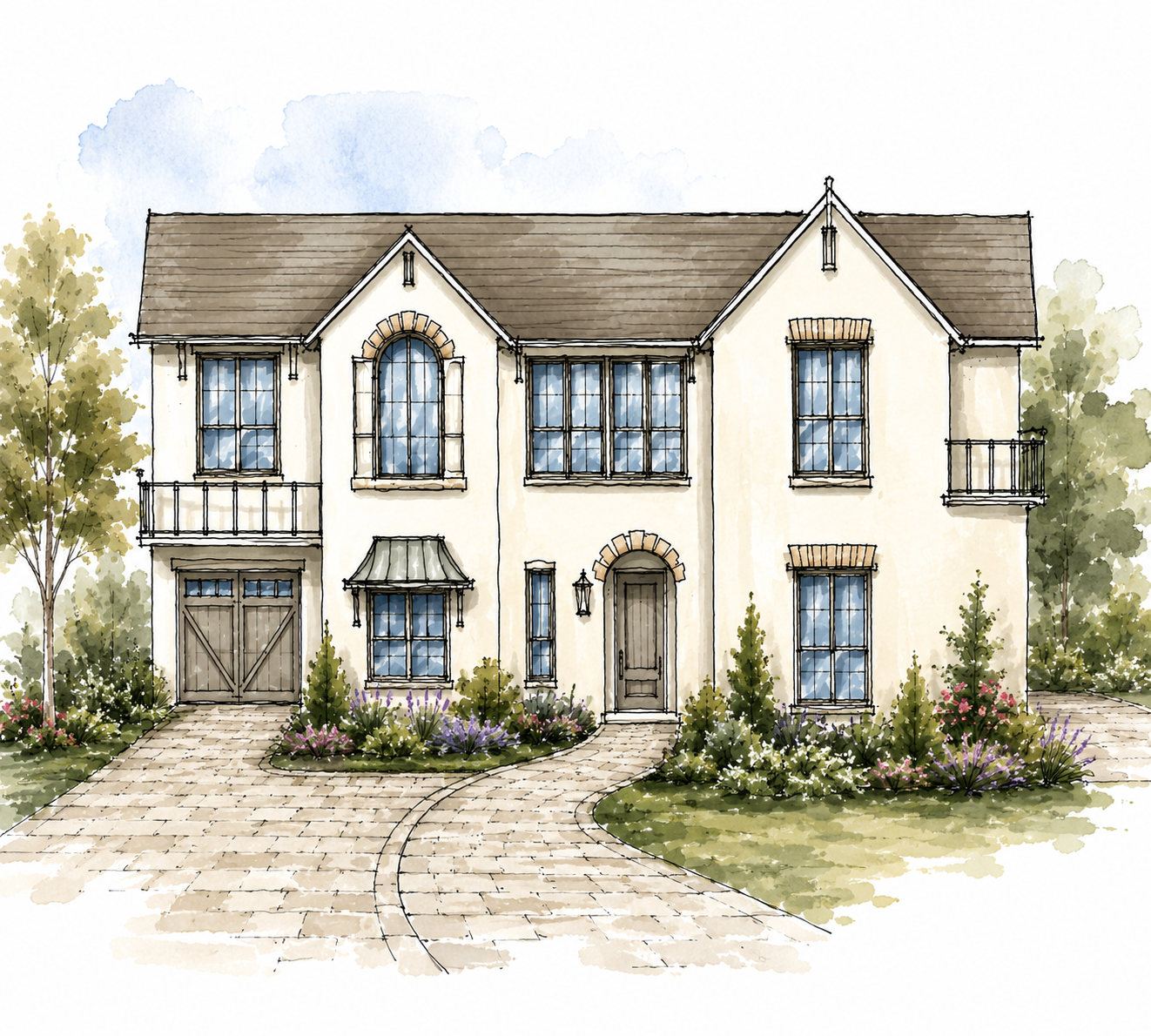
A possible design for 3406 Peregrine Falcon developed by Barron Custom Design.

Your Dream Home Isn’t on MLS

In today’s market, buyers are paying a premium for homes that are still a compromise. The right location, but the wrong floor plan. The right house, but the wrong finishes. The right neighborhood, but a huge project. 3406 Peregrine Falcon offers something different.

Read More »