
Designing for entertaining and everyday life

We frequently tour the homes of other builders to get a feel for the market. One of our founders, Judy, frequently says on entering home that’s all about entertaining, “This would be great for a party. I’d hate to live here.” It’s important to balance everyday needs with the ability to entertain to create a functional space. We accomplish this through a set of design principles we’ve learned over the years. 

The Principles of Pragmatic Design

Think About Flow

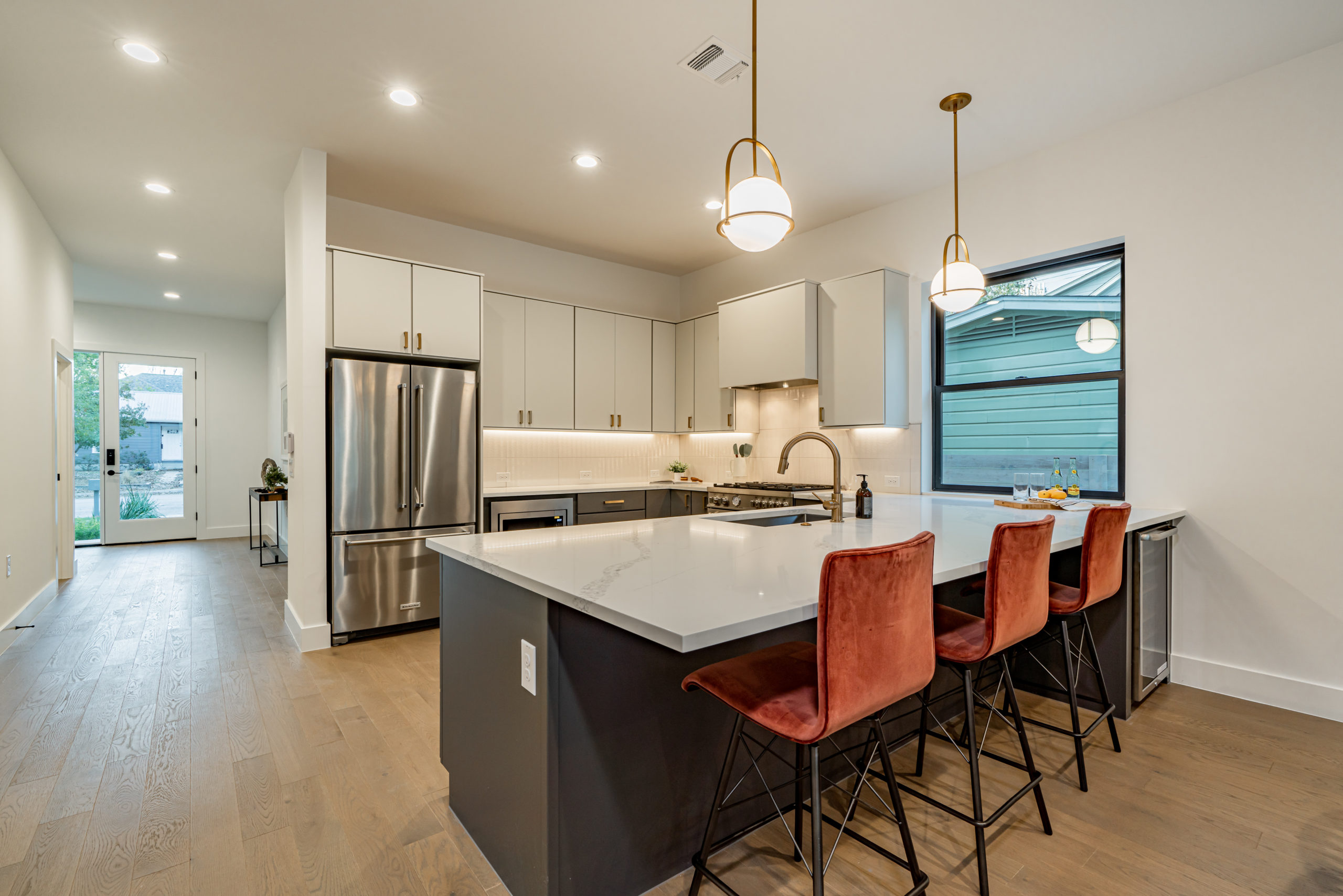
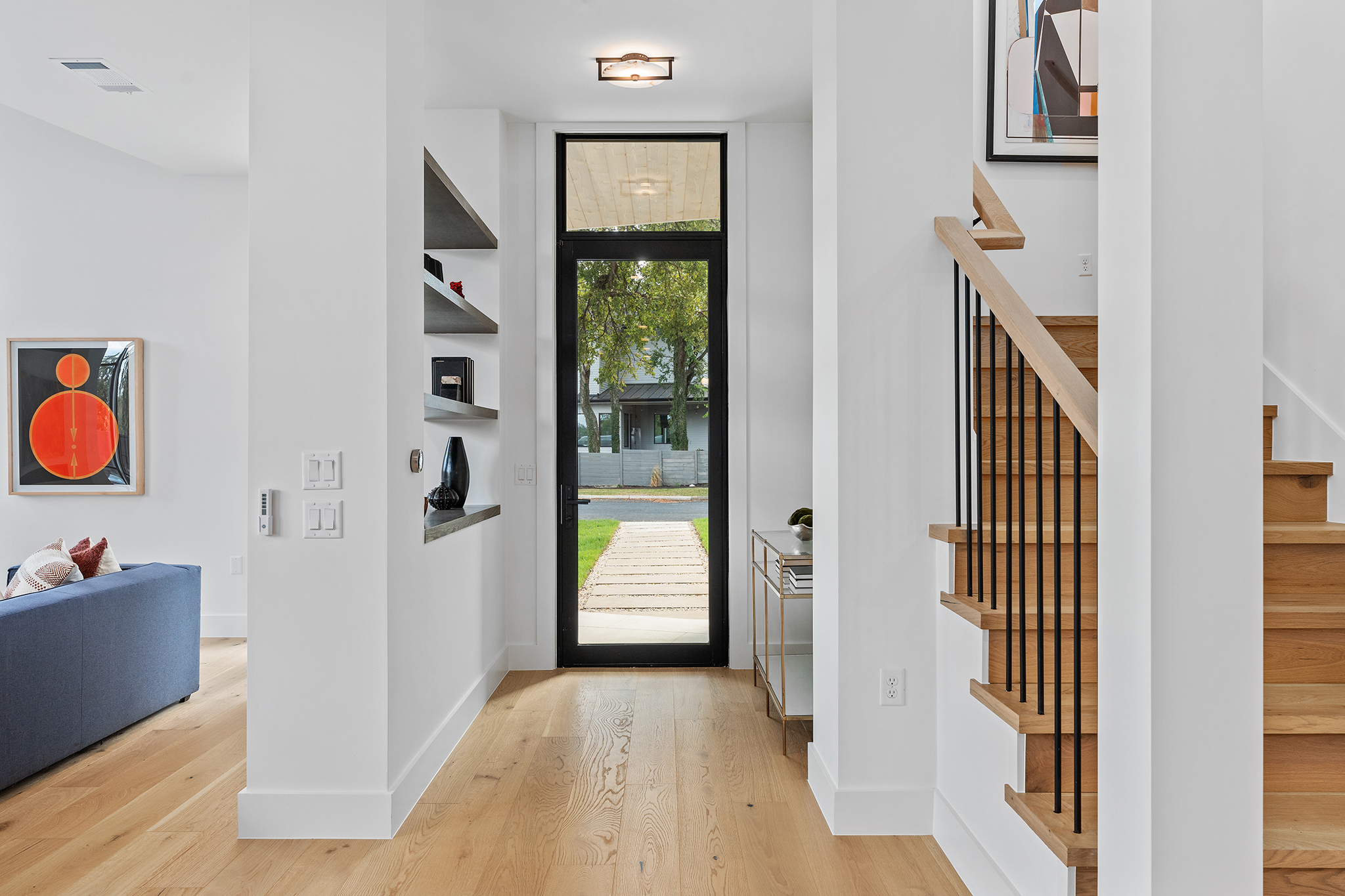
It’s important to always be thinking about how people will move through a space, to provide clear pathways and sufficient space that people can pass one another and move freely within a space. Pathways should be a minimum of 40″, but larger is preferable. In a kitchen, there should be a larger pathway on the backside of the island that encourages people to circulate around the island and not through the kitchen where cooking will be taking place. You should also consider how you will actually use your home. A vestibule at the front door will make welcoming guests easy and feel elegant, but it is essential that you also have a landing space for bags and keys near the door to the garage – where you’ll actually enter your home for the most part.

Division of Spaces

There are advantages to open concept plans, but it’s important to still provide “separate” spaces. We accomplish this through design cues, rather than walls. This allows the space to function is multiple spaces for the everyday and as one large space for entertaining. Even in entertaining, having spaces separated visually allows people to organically gather is small groups – and to function as one large group when it’s time for the host to address them. 

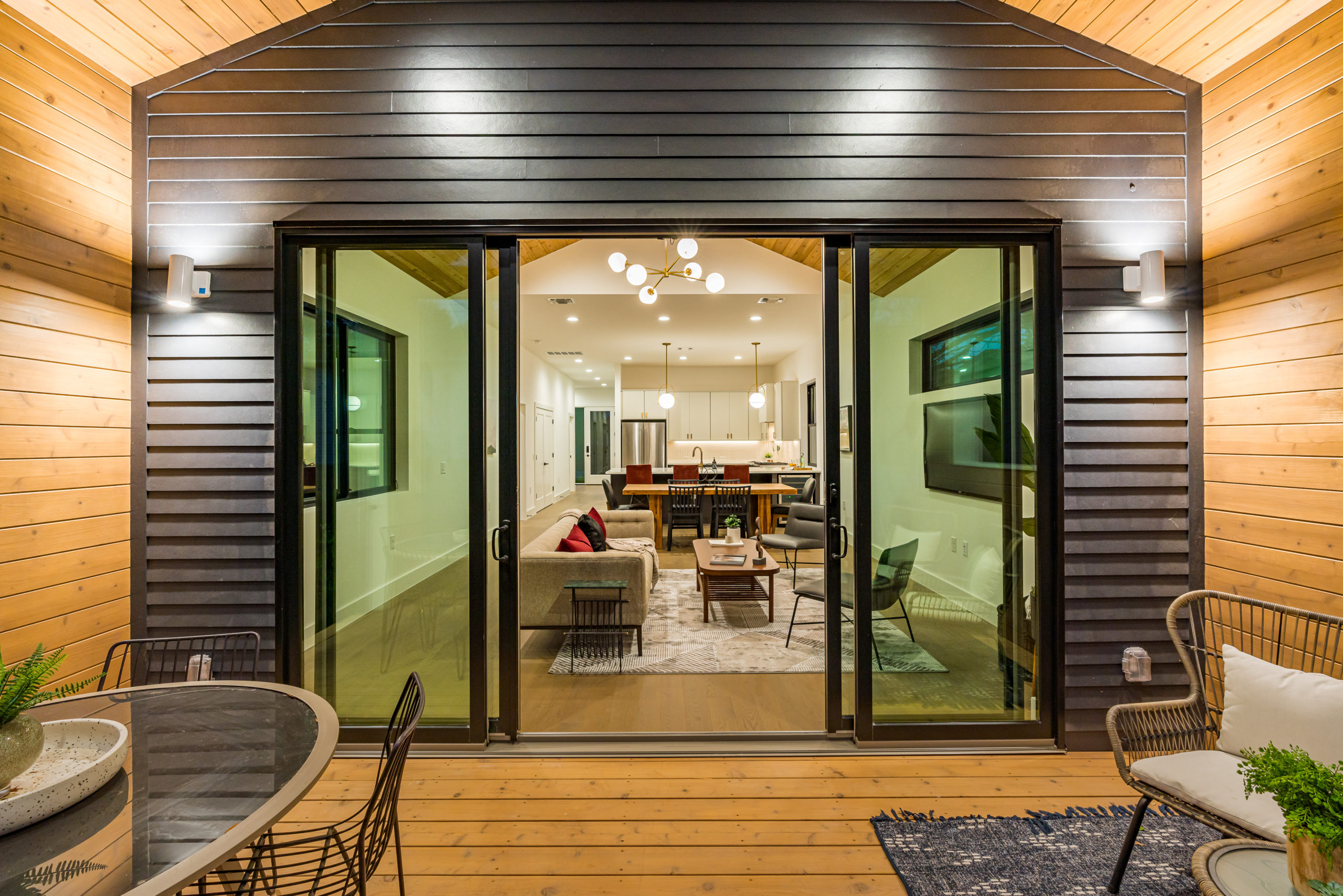
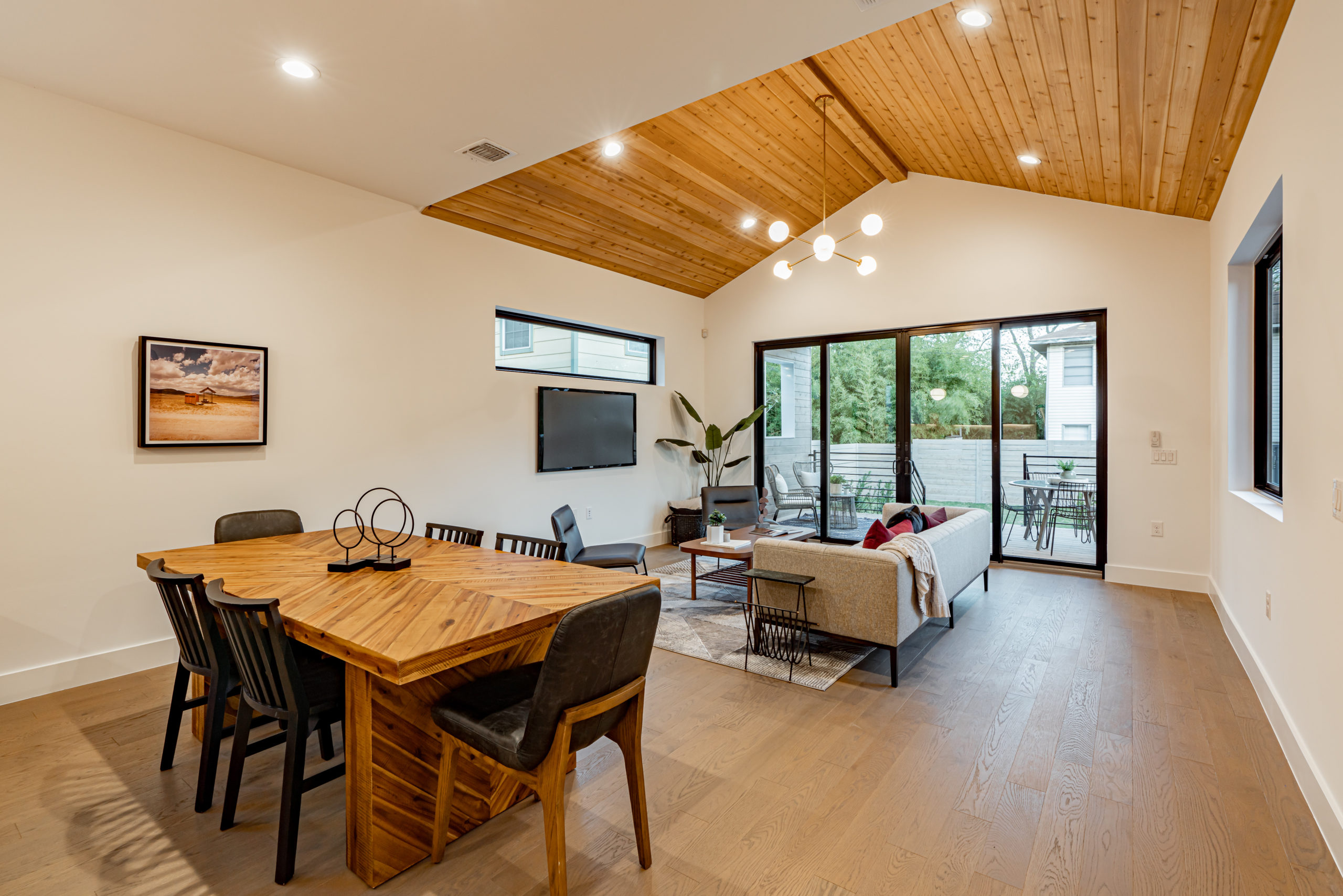
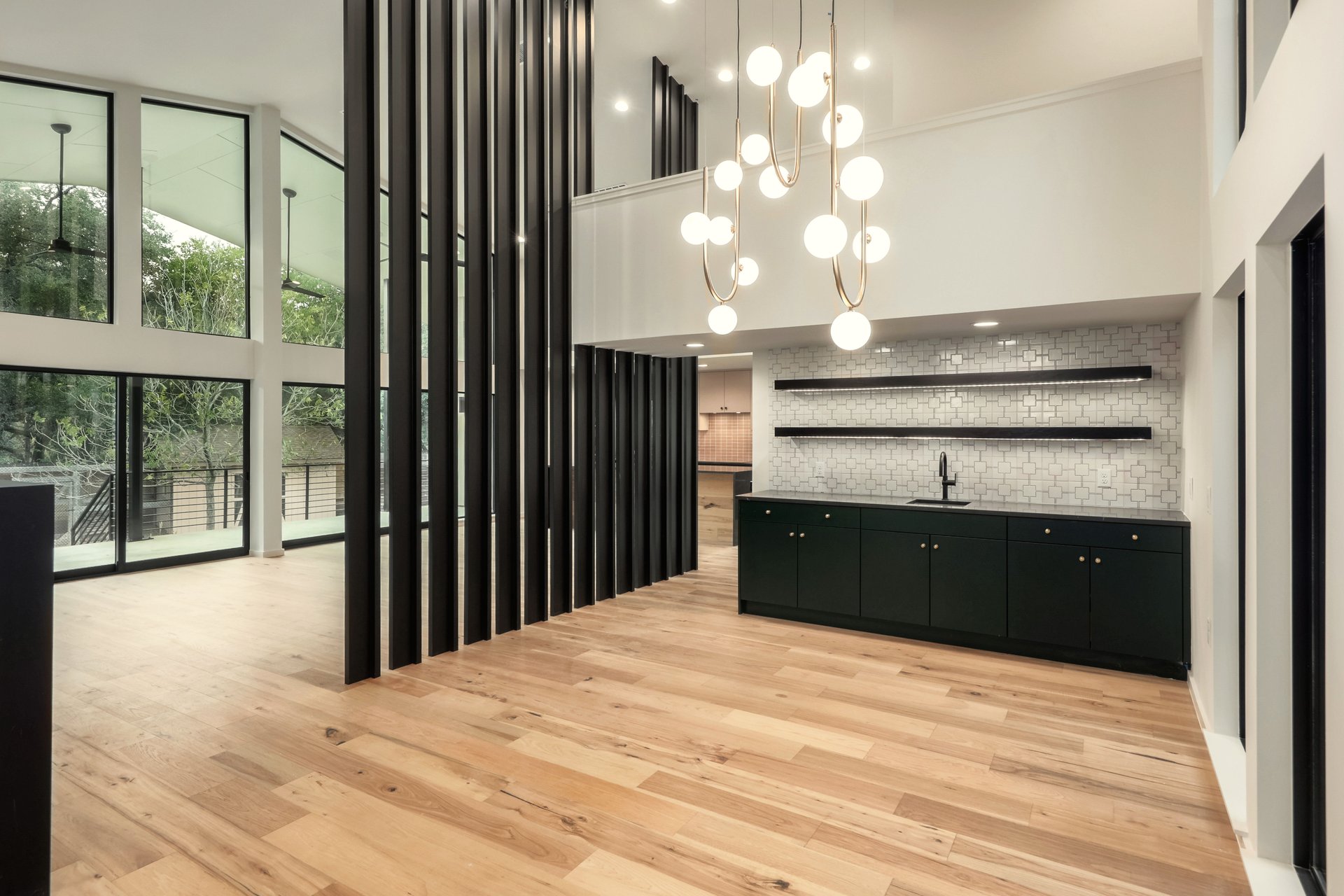
Here, we see that the living area is delineated by the tongue-and-groove cathedral ceiling. It’s not actually a separate space, but it feels like one, so people will naturally gather in two to four separate groups in this layout: 

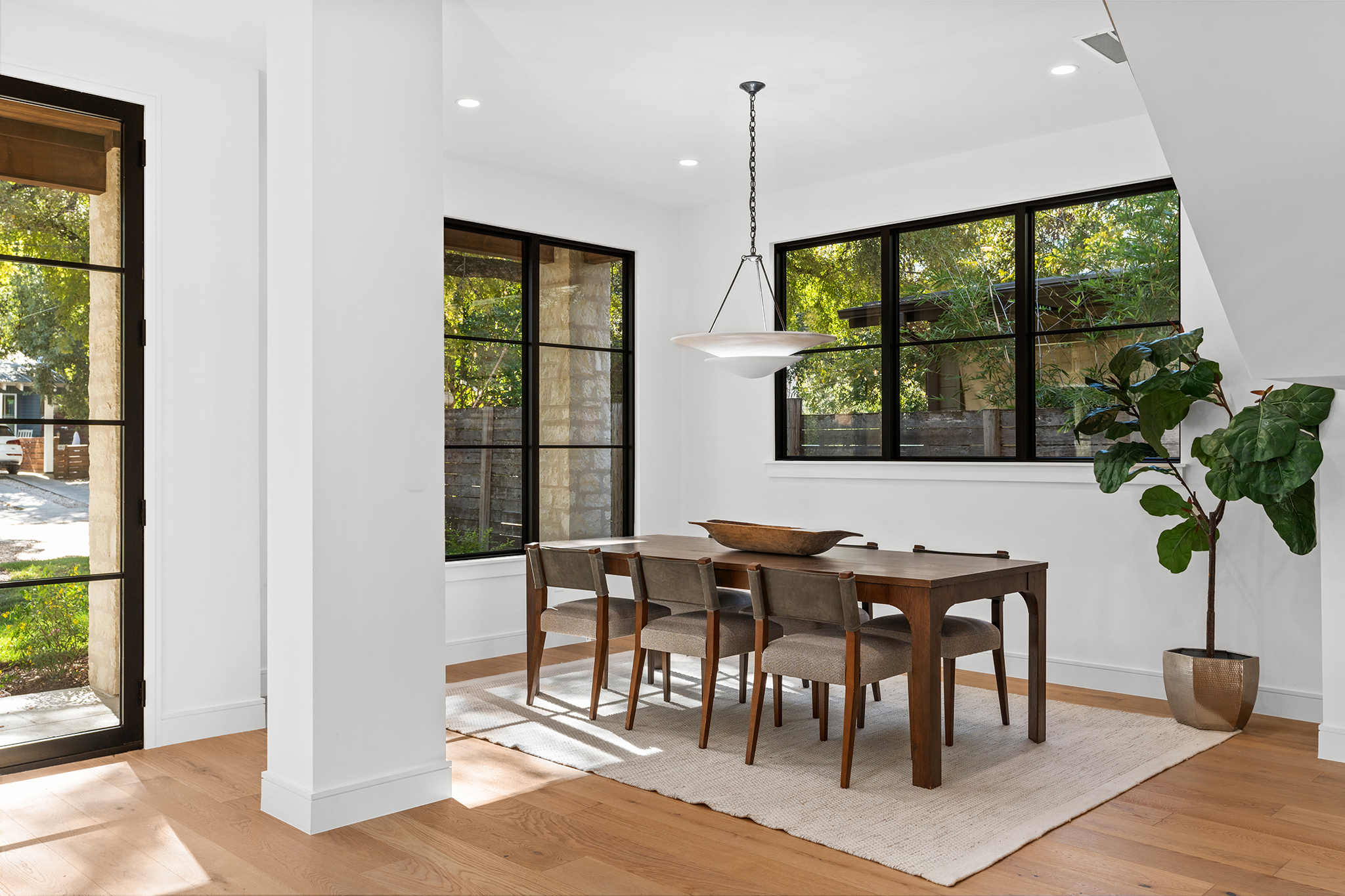
  • Around the dining room table
  • In the seating area in the living room
  • At the bar in the kitchen
  • On the deck through the sliding doors

However, this entire space can function as one when needed. For most of the time though, this will need to be functional for the average family – someone doing homework at the bar, while someone watches TV in the living room. This layout allows for both. 

Design Cues

A lot of how we think about design comes from commercial spaces. These spaces really rely on design cues to get people where they need to go and to get them to do what they need to do. Think about the airport; there is always a tile walkway and a transition to carpet for the seating area. This unconsciously tells us “walk here” and “wait here.” The same can be accomplished in homes through a number of features: 

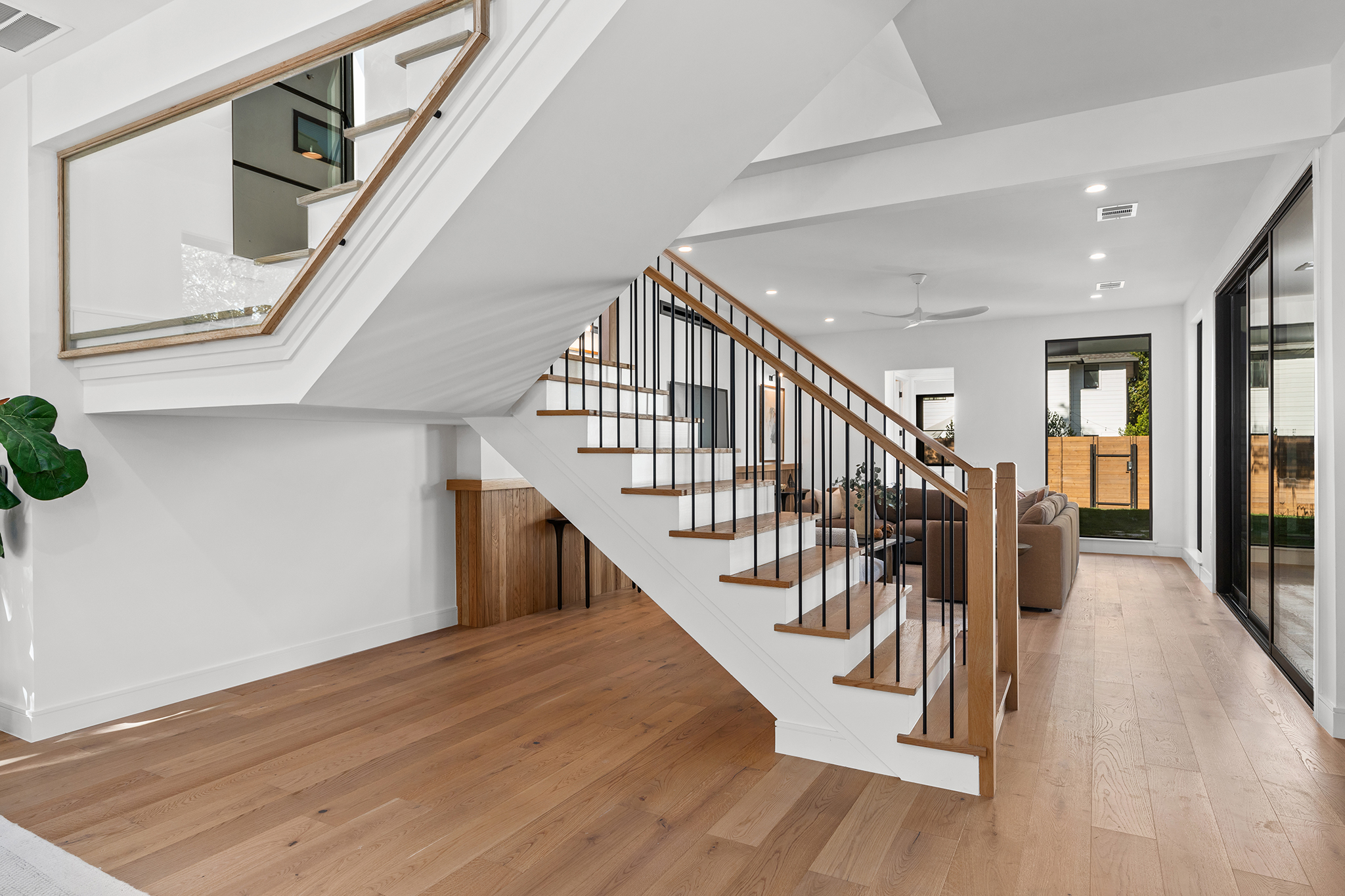
  • We frequently use stairs to divide spaces visually
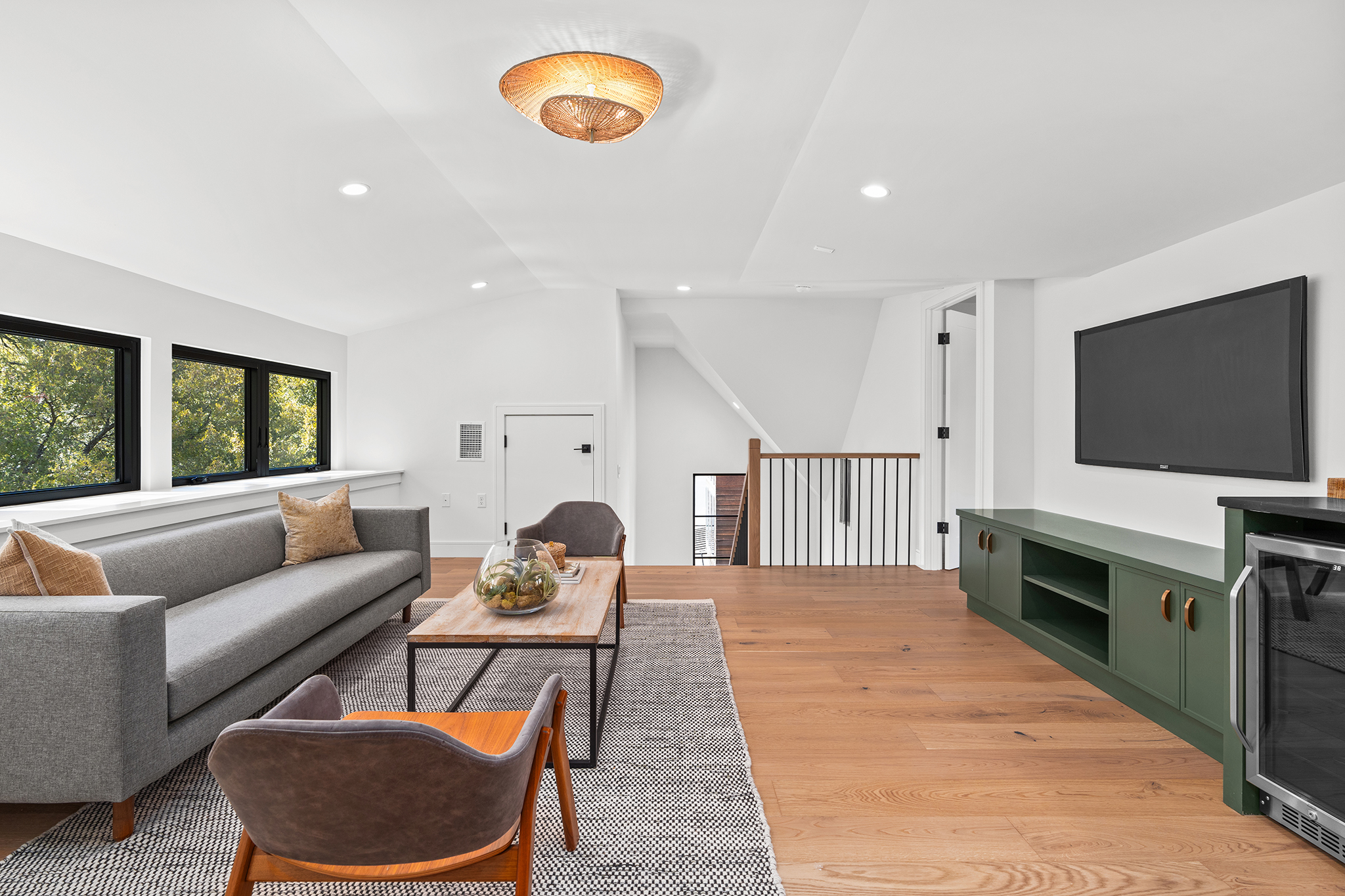
  • Wainscoting or a ceiling treatment can identify a space as “special,” as a place to gather
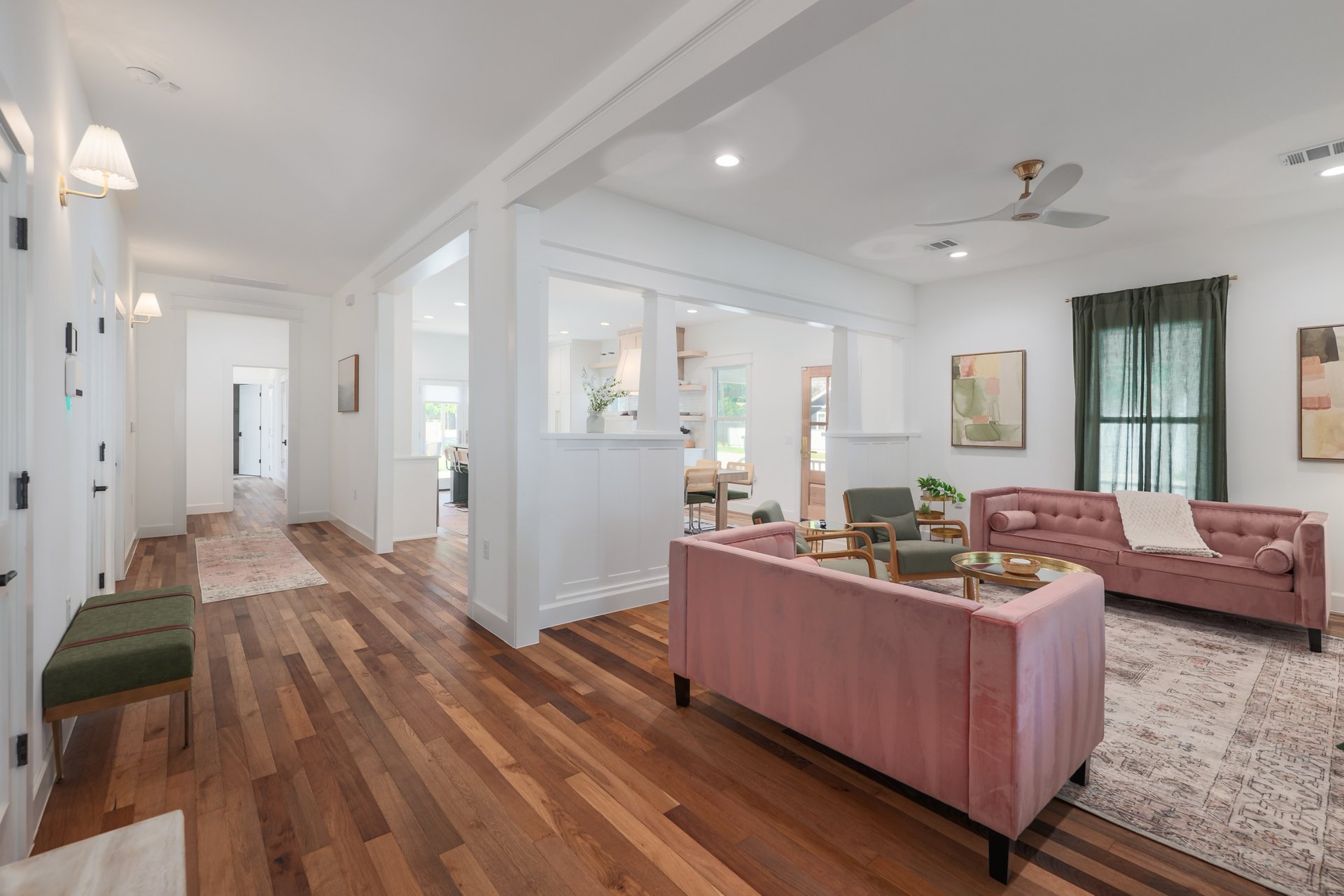
  • Columns and cased openings suggest a separate space without completely closing them
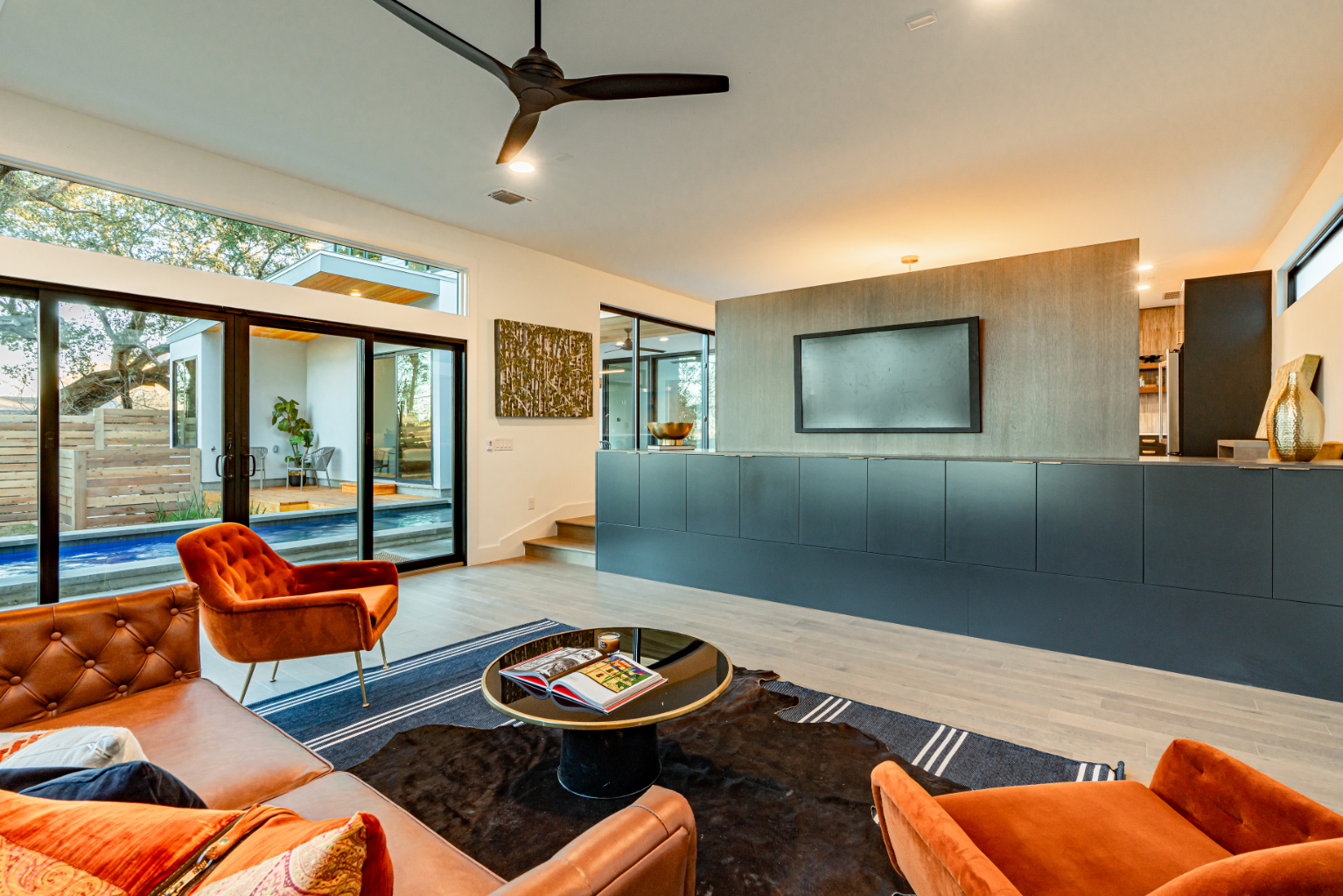
  • Step downs provide a clearly separate space while maintaining a line of sight through the larger space

Flexibility

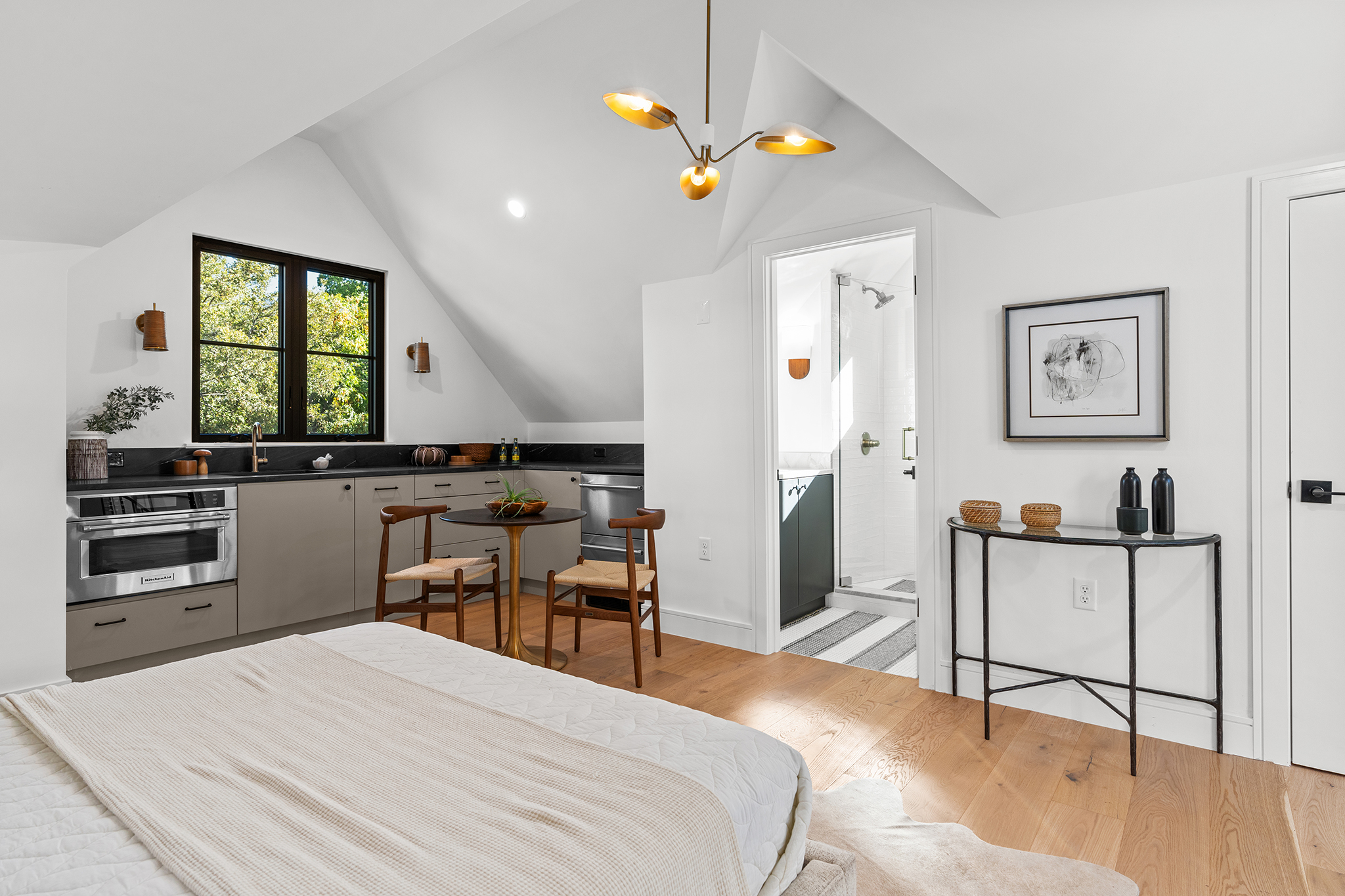
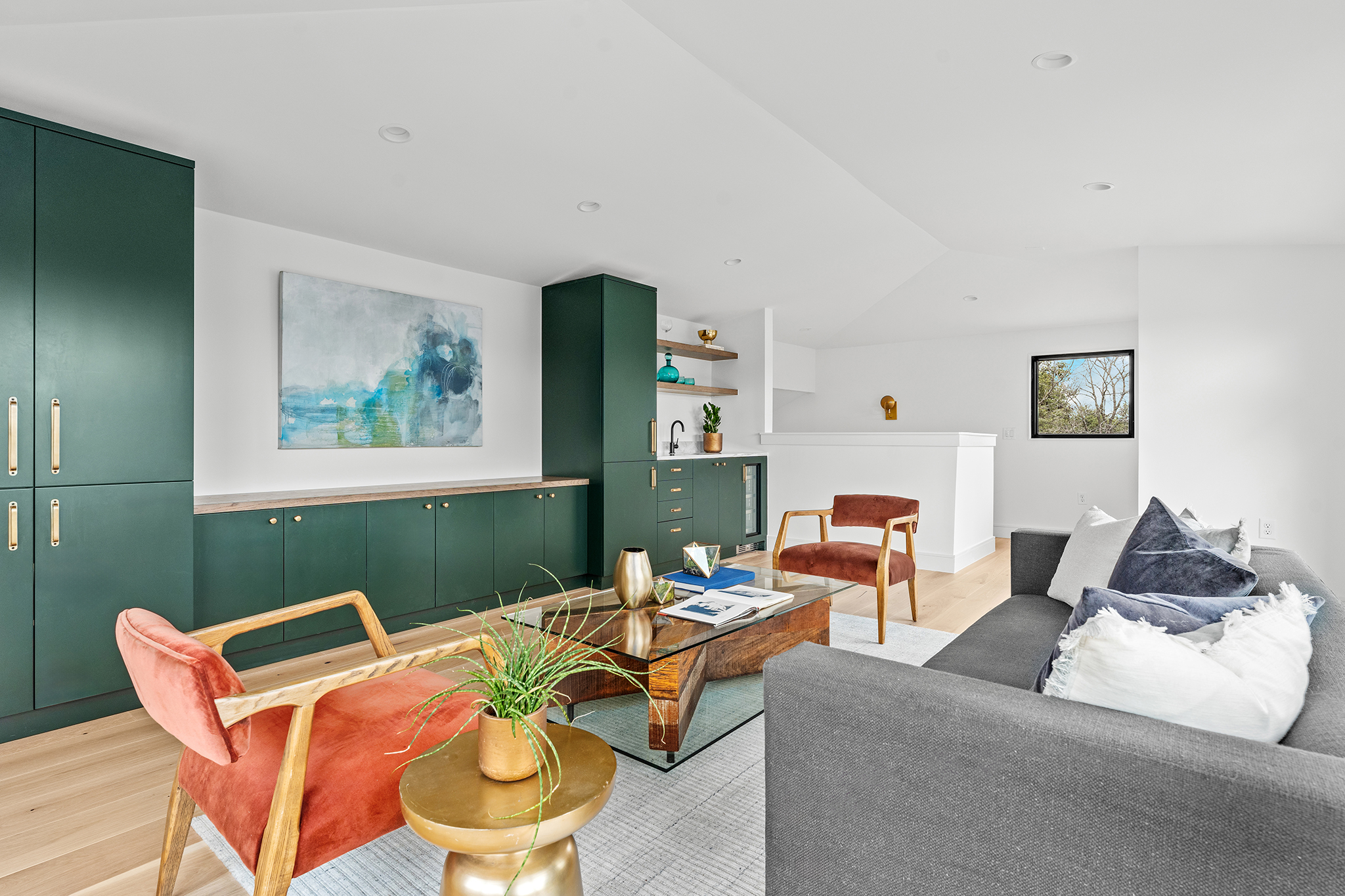
A key design principle to keep in mind is flexibility, both in layout and in design. How you use a space now may not be how you always use a space. Styles change and you’ll want to stay current. You want to design your home with the flexibility in spaces to perform different functions in the future and you’ll want to design so that style can be update through decor, furniture and lighting, rather than big, expensive features like tile, countertops, or appliances. A timeless aesthetic will allow you to update your style over time without needing to gut the place every ten years.

Let's explore what's possible!

Ready to build your dream home? It needs to be as functional as it is beautiful. Through careful space planning, our team can help you design a home that works for entertaining and for everyday life.

Contact us today for a consultation and project estimate. 

Drop us a line

Let’s explore your options

Choosing a cooktop or range that’s right for you

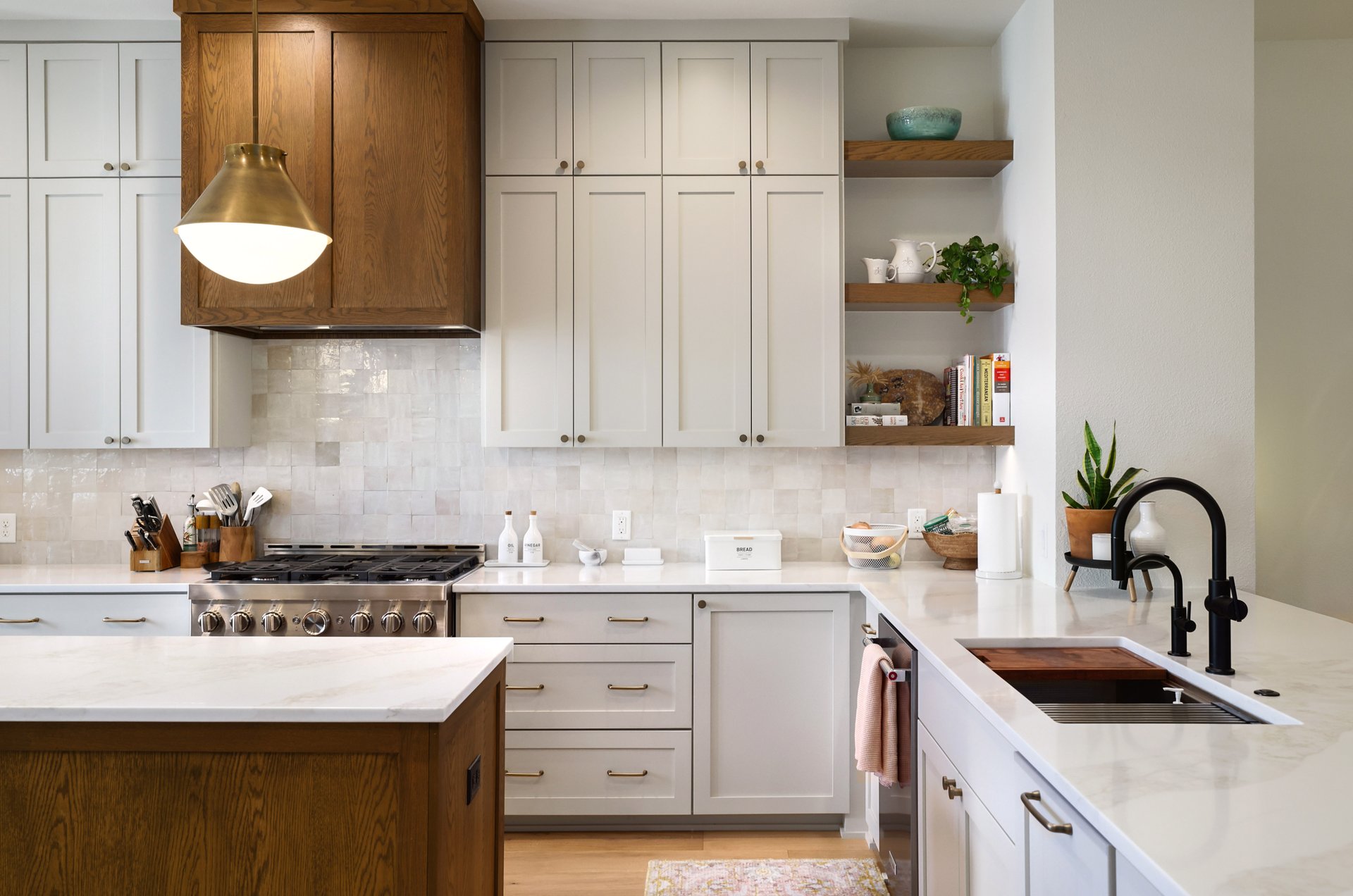
How you cook on your cooktop and how you use your oven will determine which range is right for you. There are multiple configurations, in every price point and appliance line, to accommodate every cook. What is right for you comes down to how you use your kitchen. Let’s talk about what you should consider.
Read More »

Vent hoods: more than an afterthought

Kitchens get hot. Grease happens. Proper ventilation doesn’t just protect your health, it protects your cabinets, your paint, your lights and your sanity. They are required for both gas and electric/induction cooktops and ranges. Here’s a rundown of what you should consider in deciding what vent hood to go with.

Read More »

Add space and style to your Austin home with a tailored addition

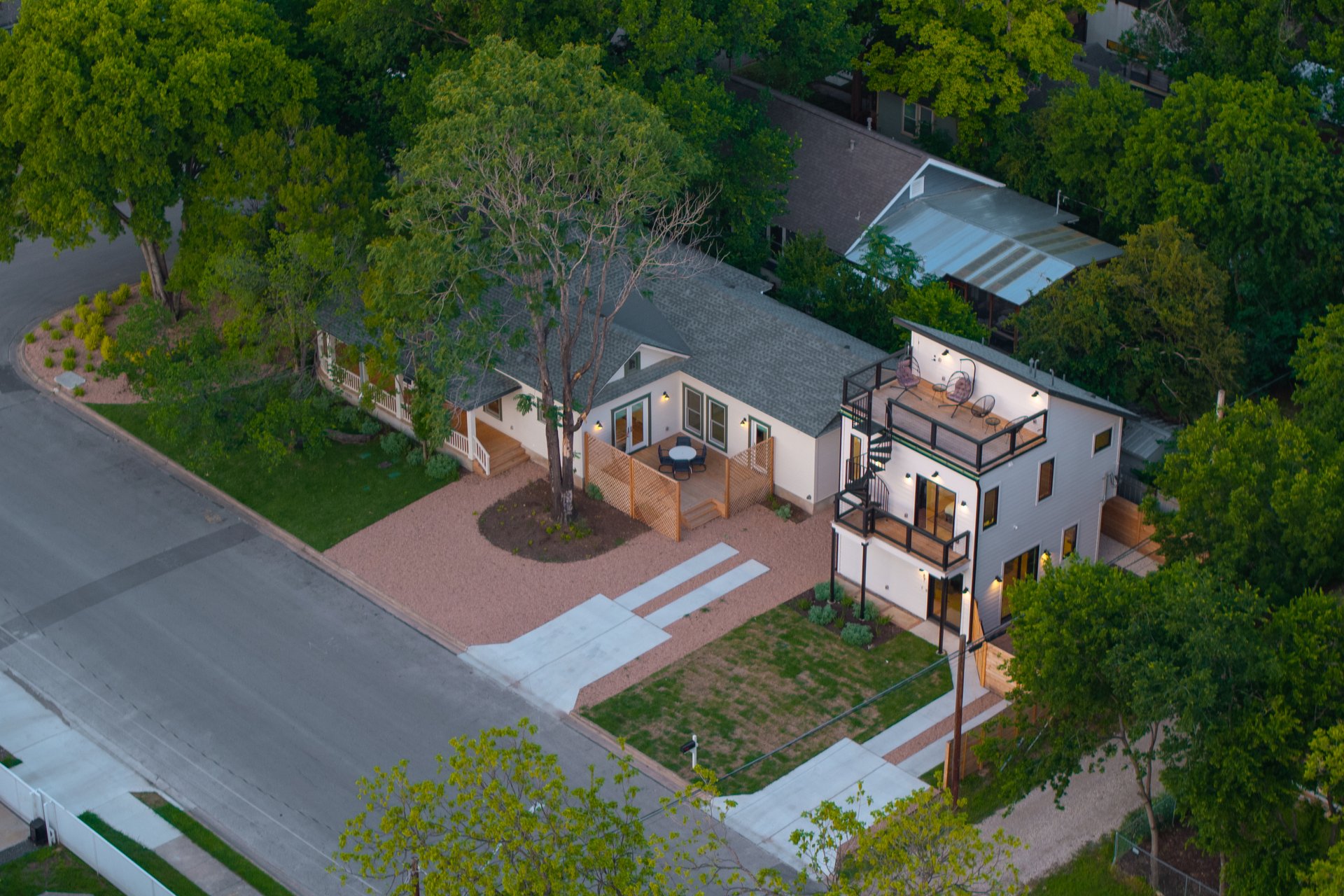
When you’re loving your Austin neighborhood but your home is feeling tight, building a thoughtful addition can be the perfect solution. Whether you’re creating a new bedroom suite, a home office, or expanding your living and storage footprint — a custom addition gives you freedom to stay where you love while adding comfort, functionality and value.

Read More »